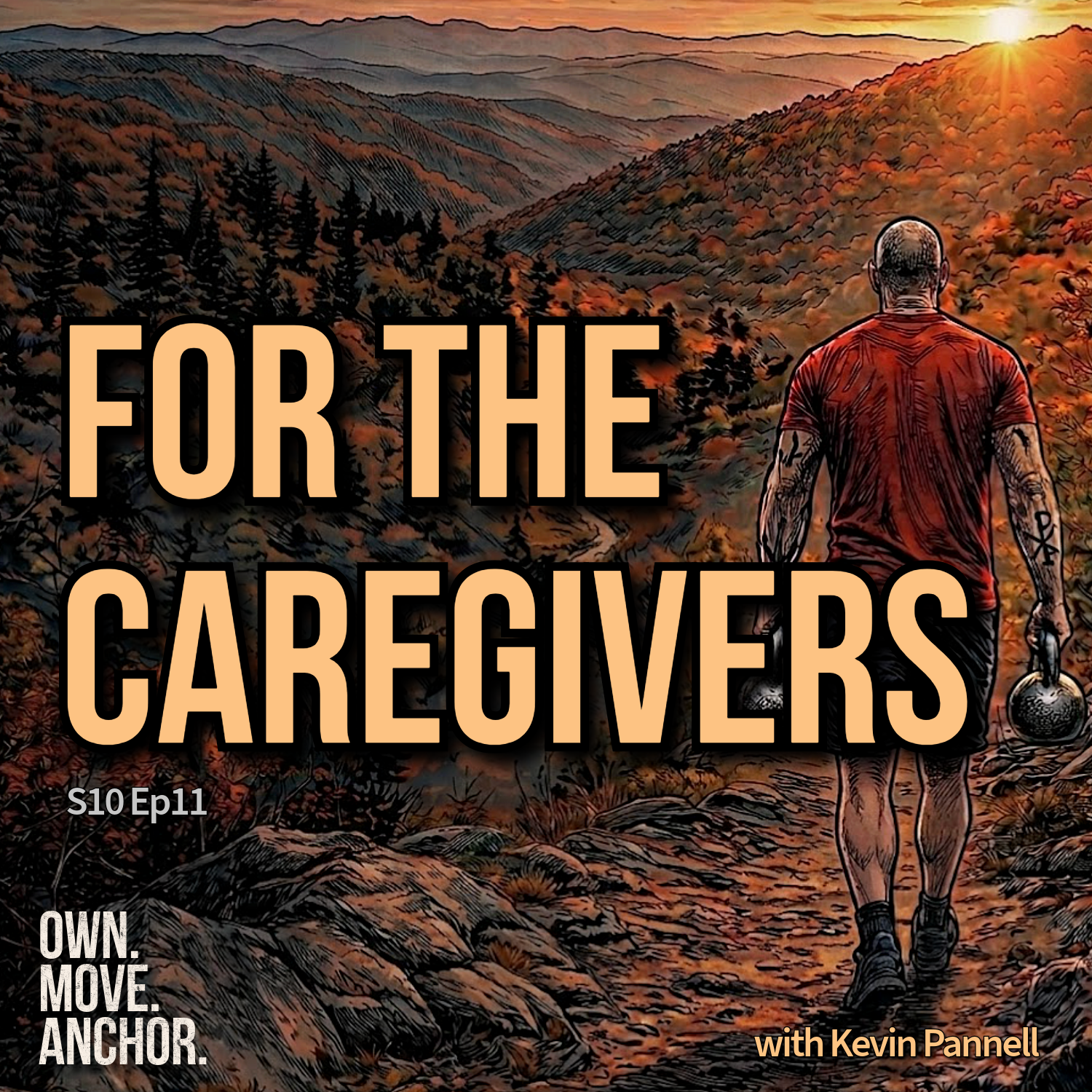
There’s a group of people others look to when things go wrong.
They don’t wait. They don’t freeze. They step in.
Sometimes they’re in scrubs or in uniform. Sometimes they’re at home, taking care of a parent, a spouse, or a child, figuring it out as they go. Different paths, same role.
This episode is for them.
I share real experiences from caring for my grandfather through cancer treatment, supporting my father-in-law after heart surgery, and helping my mom through recovery. What it looks like day to day, what stays with you, and what it takes to keep showing up when people depend on you.
Being “the one who handles it” has value, but it also carries weight.
Over time, that weight builds. You stay alert longer than most people realize. You carry moments, decisions, and responsibility that others don’t see. Eventually, if you don’t manage it, it catches up.
This episode gets into that.
Not just the work, but what happens after. The emotional drop, the physical toll, and the quiet pressure of being the person everyone expects to step in.
What Helps the Caregivers
- Taking care of your baseline, sleep, movement, and recovery
- Recognizing when stress is building before it hits hard
- Understanding that you don’t have to carry it alone
- Shifting from reacting to leading, especially outside your immediate circle
Research from the Family Caregiver Alliance shows that caregivers experience higher levels of stress, disrupted sleep, and burnout. That’s not because they’re doing something wrong, it’s because they’re carrying more.
There’s also a physical side to it. Work from Peter Levine shows that stress and trauma don’t just sit in your mind; they stay in your body. That drop you feel after a tough moment is your system trying to reset.
And there’s a simple principle most people have heard but don’t always apply, the oxygen mask rule. If you don’t take care of yourself, you won’t be able to take care of others for long.
Toward the end, I share a thought from Bob Odenkirk about getting older and realizing you’ve built something within yourself, and now it’s about deciding where to apply it.
That’s where I am.
If you’ve lived this, you’ll recognize it.
If you know someone who is always the one stepping in, send this to them.

|
Kevin Pannell |
| Own. Move. Anchor. | |
| To apply 25 years of service, discipline, and fatherhood to helping others own their mind, move their body, and anchor their spirit through the relentless practice of real life, not theory. | |
Leave a Reply